
Every filmmaker has to start somewhere. Most wait for the right camera, the right crew, the right budget — but the films that matter most were made by people who simply decided to begin.
You don't need a cinema camera, a huge crew, or a massive budget to make your first film. You need a story, a plan, and the willingness to start. Every filmmaker begins somewhere. Your first film probably won't look like the movies that inspired you to pick up a camera — and that's completely fine. The purpose of your first project is to learn how an idea becomes something people can actually watch.
Here's how you can get started.
Write Your Script
Start by getting your story onto paper. Share it with people and ask for their honest opinions — critical feedback is essential. A story might make perfect sense to you, but that doesn't mean it will make sense to someone else, so use that feedback to refine your script.
The truth is, everybody has a story to tell — whether you're a writer, actor, filmmaker, or simply someone who wants to share something. Plenty of people pitch stories, but very few actually take the initiative to turn those stories into a concept film or short film. Doing so shows anyone you pitch to that you're serious and proactive. And if that concept film turns out well, it puts you in a far stronger position than writers who are simply waiting to be noticed.
Shoot It
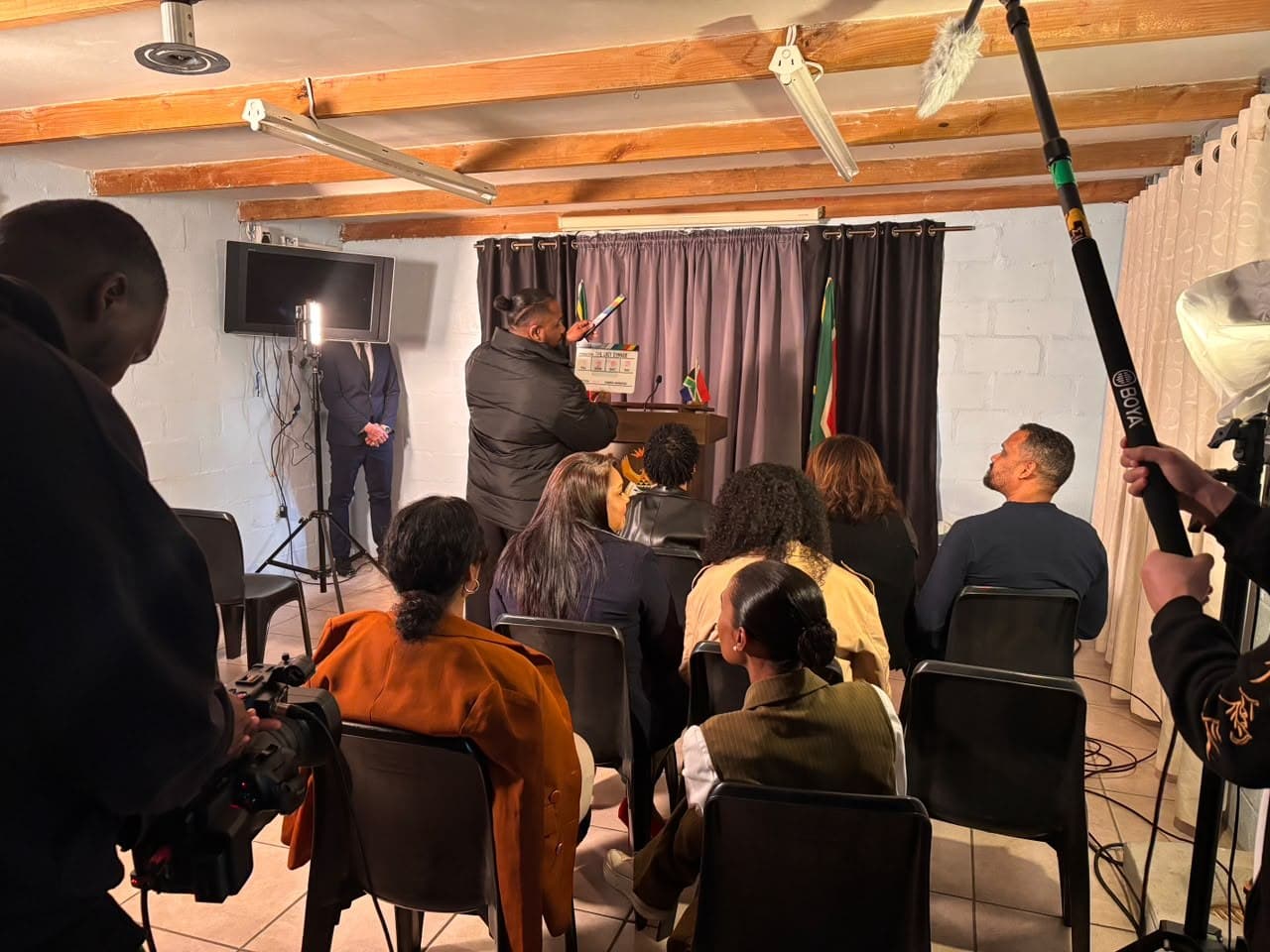
Put together a small crew — friends, family, whoever you can find — but by all means, shoot it. We live in a modern world where even an iPhone can capture genuinely good content. If you don't own one, borrow one. You'll be surprised how many aspiring actors jump at the chance to be part of a set, even unpaid. Social media is one of your biggest advantages here: join groups, post about your project, and reach out to people directly through DMs.
You can write your script so it can be shot in a single location, or spread it across multiple locations. My own motivation for shooting my first pilot came from watching a well-known actor star in a short film shot entirely in one location. I shot my pilot across multiple settings — outdoors, indoors, in a forest, in a car, with running scenes and cinematic sequences. I wanted to prove that it's entirely possible to create something entertaining with a small team and minimal equipment. So shoot it — it might turn out better than you expect.
Learn, Learn, Learn
This isn't step one on purpose. Diving straight into the theory of filmmaking — copyright, licensing, permits, safety — can be discouraging and complicated right out of the gate, and it often leads to delay and procrastination. Starting first makes everything else feel less intimidating, because you end up learning one thing at a time as you go.
While your company is still small, watch YouTube videos, study how other filmmakers got started, and work through editing tutorials. All of this helps — but above all, just do it.
Plan Your Shoot Schedule
Aim to allow around three hours to shoot a single scene, especially if you're working with a small, inexperienced team. Build in extra time, because delays are inevitable — actors arriving late, forgotten lines, off performances, lighting problems, sound issues. My biggest early mistake was giving myself only an hour to shoot a scene: we lost the sunlight, ended up shooting after work hours due to availability, and chose a weekday over a weekend.
Learn from that. Schedule your shoot for a day when the lighting works in your favour. Ask actors to arrive earlier than you actually need them — for example, tell them to be there at 10 if you plan to start shooting at 11 — and start setting up and running practice shots from as early as 8. Small adjustments like these can make a significant difference.
Get Good Sound
I cannot overstate how important sound is. What truly separates amateur work from professional work is often the audio. I've seen low-budget films make it onto television with mediocre camera work and awkward angles, purely because the sound was strong — at the end of the day, sound can matter more than the shot itself.
What made my first iPhone film weak wasn't the visuals; it was the poor sound and dialogue capture. We got some genuinely great cinematic shots, but none of it mattered because the audio quality couldn't match it. I only realised halfway through the shoot that we needed better sound equipment, and by then it was too late. Prioritise sound by any means necessary — in fact, invest in good sound equipment before you even invest in a camera.
Market Your Film
Use every social media platform available to you — Instagram, Facebook, TikTok, YouTube — and post your work. Someone will notice it, and that visibility can open doors. Azaiah Studios still isn't widely known, but people could see online what we managed to accomplish with very little. Some viewers even watched our iPhone pilot twice simply because it was entertaining.
Use free music or music licensed for YouTube use, cut the film into shorts, and release a trailer or excerpts on TikTok. All of this helps draw people in who want to be part of what you're building on a bigger scale.
Define Your Vision
Why do you want to make this? What do you want to write about, and who is it for? What is the film meant to achieve once it's finished, and how should the audience feel when it ends? If filmmaking is just a hobby with no end goal, that's a valid path — but you'll likely find it far easier to abandon scripts or stories along the way without a clear purpose driving you.
My vision for Azaiah Studios is simple: to spread the word of God through film, but in a blockbuster, cinematic style — the kind of action, thriller, and suspense that people genuinely enjoy watching. As the Bible says, 'people without vision will perish' — and the same is true for a film company without a clear sense of what it's trying to produce. Vision itself is something every filmmaker needs.
Review and Improve
Once your film is complete, watch it back and critique yourself. Look for what you can improve and what you'd like to do differently next time. From our first iPhone pilot to where Azaiah Studios stands today, the difference is worlds apart — even though only a year separates the two. In 2025, we looked like a group of kids trying to make a movie. Today, we're partnered with almost ten companies, including a film and equipment rental company, and businesses in clothing, food, make-up, wardrobe, and props.
Make self-critique a priority, and don't hesitate to bring in someone else to point out what you need to work on — an outside perspective is invaluable.
Register Your Company
I've put this last because most people stop reading once they reach this point — the administrative side of running a company was where I lost interest when I first started. But register the company. Sort out tax compliance, tax numbers, a company registration number, and a website.
All of this can feel dull and unexciting to a filmmaker, but investors and partners take you far more seriously when your company is properly registered, has a professional website, and a business email address. Register the company — it will help you take your own work more seriously too.